
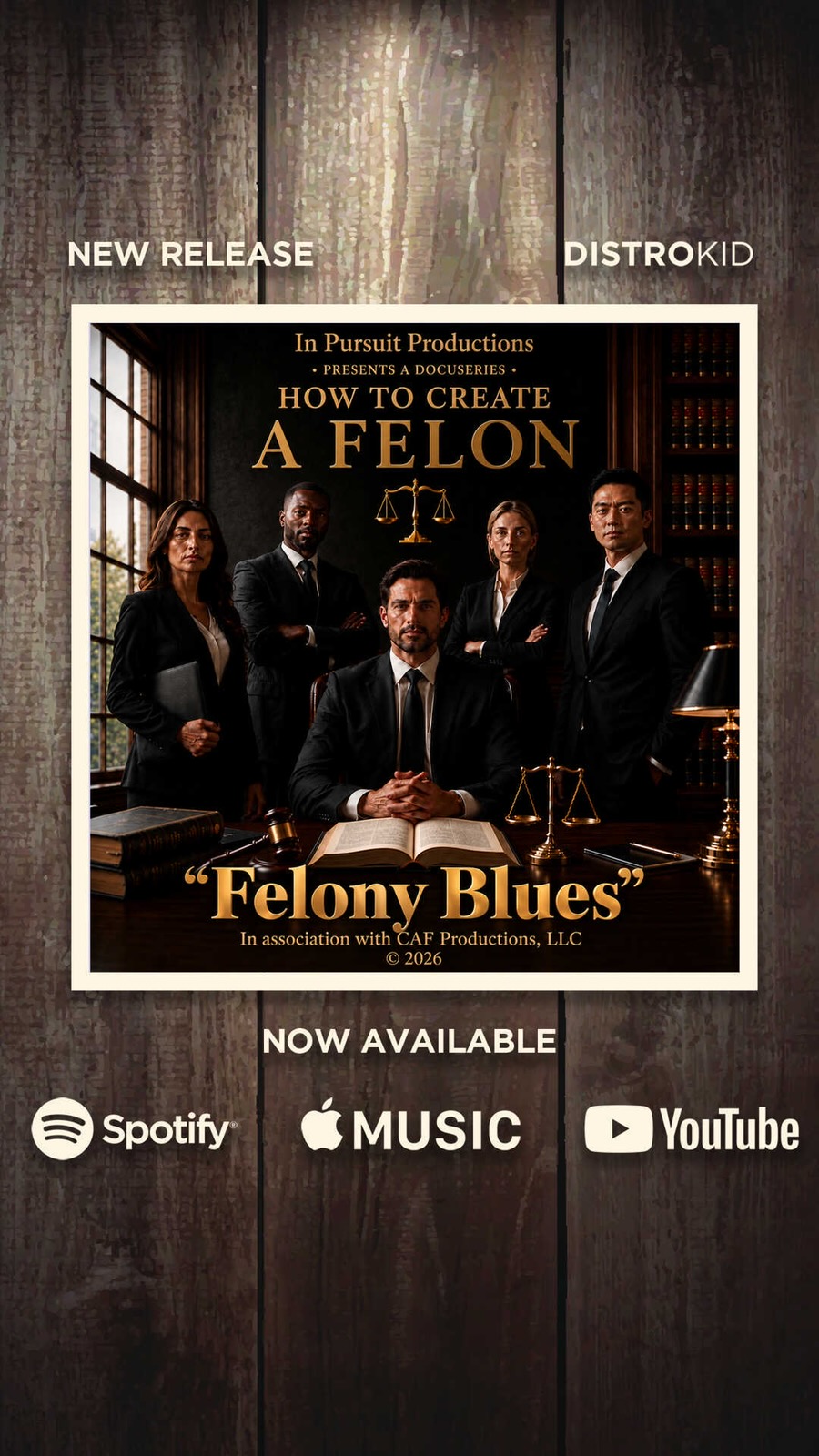
How To Create A Felon
The Problem: A Hidden Epidemic
Every year, dozens of professionals are convicted of white collar crimes they did not knowingly commit. They are not the architects of fraud — they are its unwitting instruments: employees, partners, and advisors whose names, signatures, and roles are exploited by others.
| 41% of white collar defendants had no prior criminal record Federal Sentencing Commission | 97% of federal cases end in plea deals, often under extreme pressure U.S. Dept. of Justice | 1 in 3 wrongful convictions involve evidence manipulation by a third party Innocence Project |
“The most dangerous place in America is between a prosecutor and a camera.” — attributed to former federal defenders
Who Gets Targeted?
Certain professional profiles appear repeatedly in wrongful white collar prosecutions. What they share is proximity to decision-makers, paper trails with their names on them, and a lack of full information about what was really happening.
Common Profiles
The Paper Signer
Employees who sign documents under instruction, unaware of fraudulent intent buried in filings or certifications. They trusted their employer — and that trust became evidence against them.
The Middleman
Professionals who facilitated transactions between parties — brokers, accountants, lawyers — blamed when deals go wrong. They processed transactions in good faith, but their involvement places them in the chain of liability.
The Business Partner
Associates whose names appear on corporate records, exploited by a dominant partner conducting fraud in the background. The partner controlled everything; the target’s name was simply useful.
The Email Trail
Individuals whose communications are selectively quoted to manufacture evidence of intent or complicity. A single sentence, stripped of context, can be used to imply knowledge of a scheme.
The 6-Step Playbook: Manufacturing a Felon
The pattern by which an innocent person becomes a convicted felon follows a recognizable sequence. Understanding it is the first step to protecting yourself or others.
Step 1 — Recruit the Target
Give them a role, title, or responsibility — enough paper trail to involve them. The target is selected because they are trusted, credible, and unlikely to ask too many questions.
Step 2 — Create Plausible Deniability
Structure information so the target never sees the full picture but signs off on pieces. Information is siloed. No single document reveals the full scheme — the target only holds one puzzle piece.
Step 3 — Conduct the Fraud
Execute the scheme using the target’s name, signature, or authority. The real perpetrator stays behind the scenes while the target’s identity provides legitimacy and cover.
Step 4 — Cooperate with Investigators
When caught, offer the target as the “mastermind” in exchange for leniency. Cooperation agreements allow the actual perpetrator to reframe the narrative, trading testimony for reduced charges.
Step 5 — Overwhelm with Discovery
Defense faces millions of documents; prosecution cherry-picks the damaging ones. The asymmetry in resources means the target’s legal team cannot effectively counter every piece of evidence.
Step 6 — Force a Plea or Conviction
Coercive tactics and resource imbalance leave the target with no viable defense. Faced with decades of potential exposure at trial, many innocent people accept plea deals simply to survive.
Related Projects